
My experience and why i think this approach works.
1. Bringing Different Perspectives Together
As part of an experience that shaped Georgia’s Approach, I brought together two groups of adults with different backgrounds.
The first group consisted of six women from NHS and local authority backgrounds, with experience in social work, psychology, dialectical behaviour therapy (DBT), mental health nursing and teaching.
The second group consisted of six men with backgrounds in joinery, bricklaying, electrical work, plumbing, bushcraft and survival instruction.
This account shares what I observed and what the children told me. It reflects this particular experience, rather than drawing conclusions about whole professions. The groups differed in gender, background and their relationship with formal services, so I cannot say which differences influenced the children’s responses.

Task, Listening and Identifying Strengths
Both groups were asked to use their skills to engage the children in conversation, learn about their strengths and consider a plan to support their progress in life.
The aim was to understand what mattered to each child, recognise their abilities and explore opportunities for their future.
I wanted to notice how the adults approached these conversations and, most importantly, how the children experienced them. Did they feel comfortable, listened to and involved in discussions about their own lives?

The Children’s Voice
Some children described feeling uncomfortable during conversations with the NHS and local authority professionals. They felt that the adults looked at them without showing warmth or emotion.
They also worried about what would be recorded, who might read it and how it could affect them or their families. Some felt that difficult experiences from their past were repeatedly brought up, making it harder to move forward. Children described anxiety, fear of saying the wrong thing and feelings of shame.
Their feedback highlighted the importance of explaining how information is recorded and shared, listening to their concerns and checking whether they feel understood.
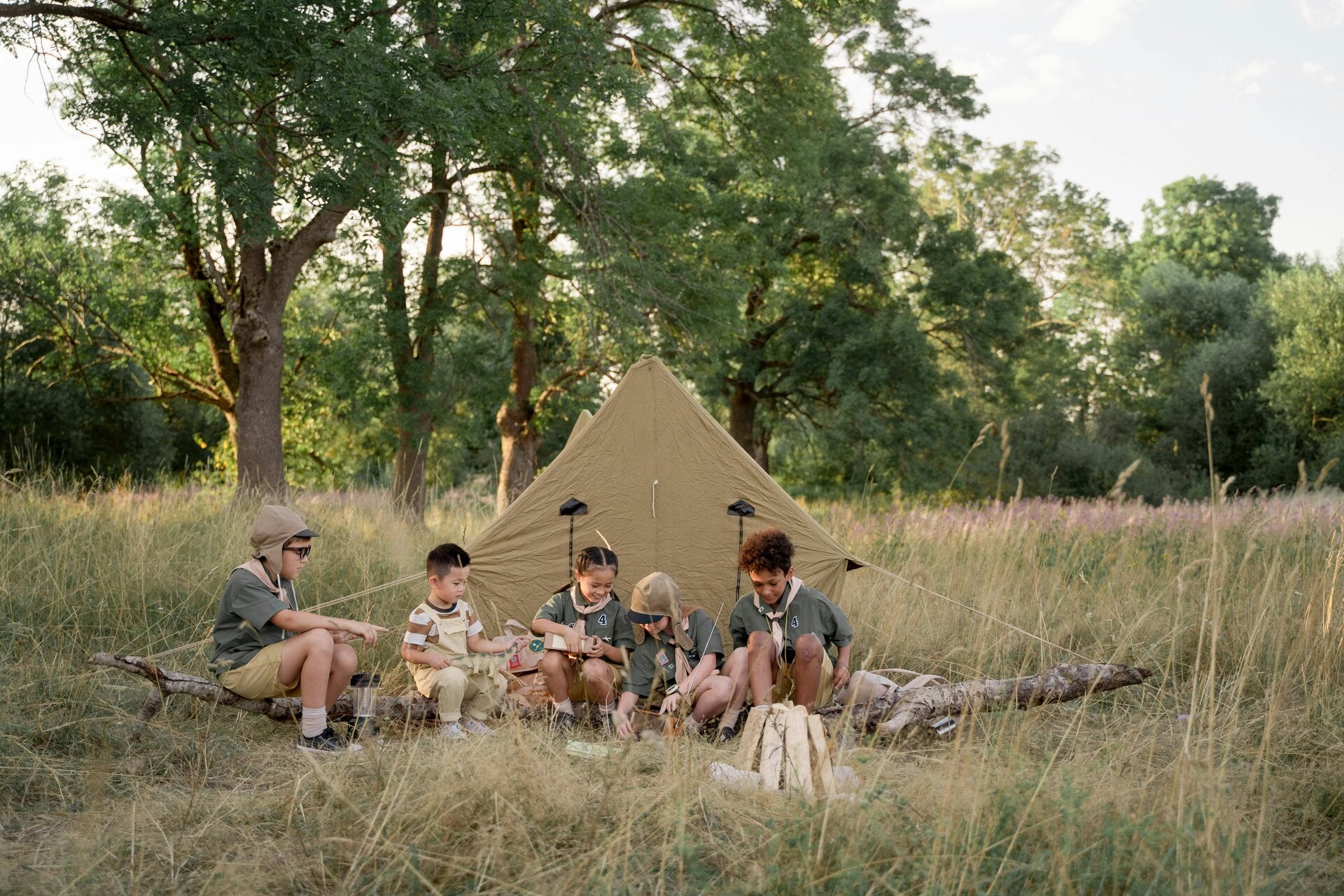
When speaking with the builders and bushcraft and survival instructors, the children described feeling more relaxed. They enjoyed the humour and laughter and felt the adults were approachable. One child felt able to talk about anything; another said that being listened to made them feel cared for.
4. What I Learned About Connection
During these sessions, I felt that some conversations placed more weight on professional expertise than on the views of children, parents or adults from practical backgrounds. At times, disagreement appeared to create tension and make reflection more difficult.
What stood out to me in the builders’ and instructors’ interactions was their willingness to meet the children as they were. They noticed strengths, offered encouragement and used humour to build a connection.
I felt that their focus on the child’s present interests and abilities helped create room for more open conversation.
This reminded me that knowledge and qualifications need to be accompanied by warmth, curiosity and a willingness to listen. Whatever our background, we should be able to reconsider our assumptions and learn from the child in front of us.

5. Creating Space for Trust and Change
The children’s feedback made me think carefully about the relationship between trust, shame and being able to speak openly.
Some described feeling labelled as “bad” in meetings and conversations between adults. They found it difficult to trust people who, in their view, had spoken negatively about them. Some said that the shame they felt made it hard to express themselves or feel hopeful.
One child believed their experiences with professionals had contributed to their mental health difficulties, but felt frightened to say so. That concern deserves to be heard, although this experience alone cannot establish what caused those difficulties.
In contrast, another child described finally being able to share their feelings because someone seemed interested in talking with them rather than simply gathering information.
This strengthened my commitment to a nurturing, strengths-based approach. Within Georgia’s Approach, we aim to help children feel valued, involve them in decisions and offer practical opportunities to experience achievement. We also recognise that understanding past experiences can matter, while taking care over how and when they are discussed.

6. My Reflection and Why I Believe This Approach Can Help
This experience challenged me to reflect on my own practice and on how adults communicate with children. Our intention may be to help, but we also need to understand how that help feels to the child.
I believe Georgia’s Approach can help by making connection, listening and the child’s strengths the starting point. Practical and creative activities give us opportunities to build relationships, support emotional regulation and help children develop confidence and independence at their own pace.
We aim to speak about children and families with dignity, explain our actions clearly and remain open to feedback. Supporting a family means working alongside them, with understanding rather than blame or shame.
These beliefs come from my experience, training and life with Georgia. They do not mean that one approach will suit every child. We need to keep listening, adapting and reflecting on whether the support we offer is useful to that individual.
At the Lion’s Den, the child’s voice remains at the heart of our work. Georgia’s Approach grows through connection, practical experiences and a willingness to keep learning from children and families.