Understanding Autism at Welcome to the Lion’s Den
Understanding Autism at Welcome to the Lion’s Den
At Welcome to the Lion’s Den, we take time to understand each autistic child as an individual — their interests, strengths, communication preferences and what helps them feel comfortable, understood and included.
Georgia’s Approach guides our sessions. We begin by building connections, listening and understanding the child’s perspective. Activities such as den building, outdoor cooking and woodland adventures are adapted to their individual needs, interests and pace.
For example, a child who finds verbal communication difficult might prefer visual instructions, watching a demonstration or taking part alongside others without pressure to speak. We recognise these differences and adapt our approach to help children participate in ways that work for them.
We also recognise that the environment can make participation easier or harder. Rather than expecting children to fit into a fixed lesson, we consider reasonable adjustments, including quieter spaces, flexible breaks, additional processing time and different ways of communicating.
Above all, we want children to feel safe, respected and confident enough to explore, make choices, develop their strengths and enjoy learning through adventure.
Our approach also welcomes autistic young people and adults, recognising their individual needs, preferences and independence.

Communication and Understanding Go Both Ways
People communicate in different ways. A child may use speech, gestures, pictures, a communication device or a combination of these. At Welcome to the Lion’s Den, we respect each child’s preferred way of communicating and allow time to process information and respond.
The idea of double empathy recognises that autistic and non-autistic people may sometimes misunderstand one another. Understanding is a shared responsibility, so we reflect on how we communicate, listen and respond rather than expecting the child to do all the adapting.
During activities, we can demonstrate tasks, break instructions into manageable steps, use visual prompts or allow children to observe before joining in.
For example, during den building, a child might find verbal instructions overwhelming but understand the task better by watching someone demonstrate it. Another child might prefer to communicate through gestures or pictures. We adapt to these preferences rather than expecting every child to participate in the same way.
We also recognise that eye contact, quick answers or joining group conversations are not reliable measures of whether a child is listening, understanding or interested.
Shared activities can create meaningful opportunities for connection without pressure to talk. A child might enjoy working alongside someone, sharing an interest or simply taking part quietly.
Connection doesn’t always need words. What matters is that the child feels heard, respected and included.
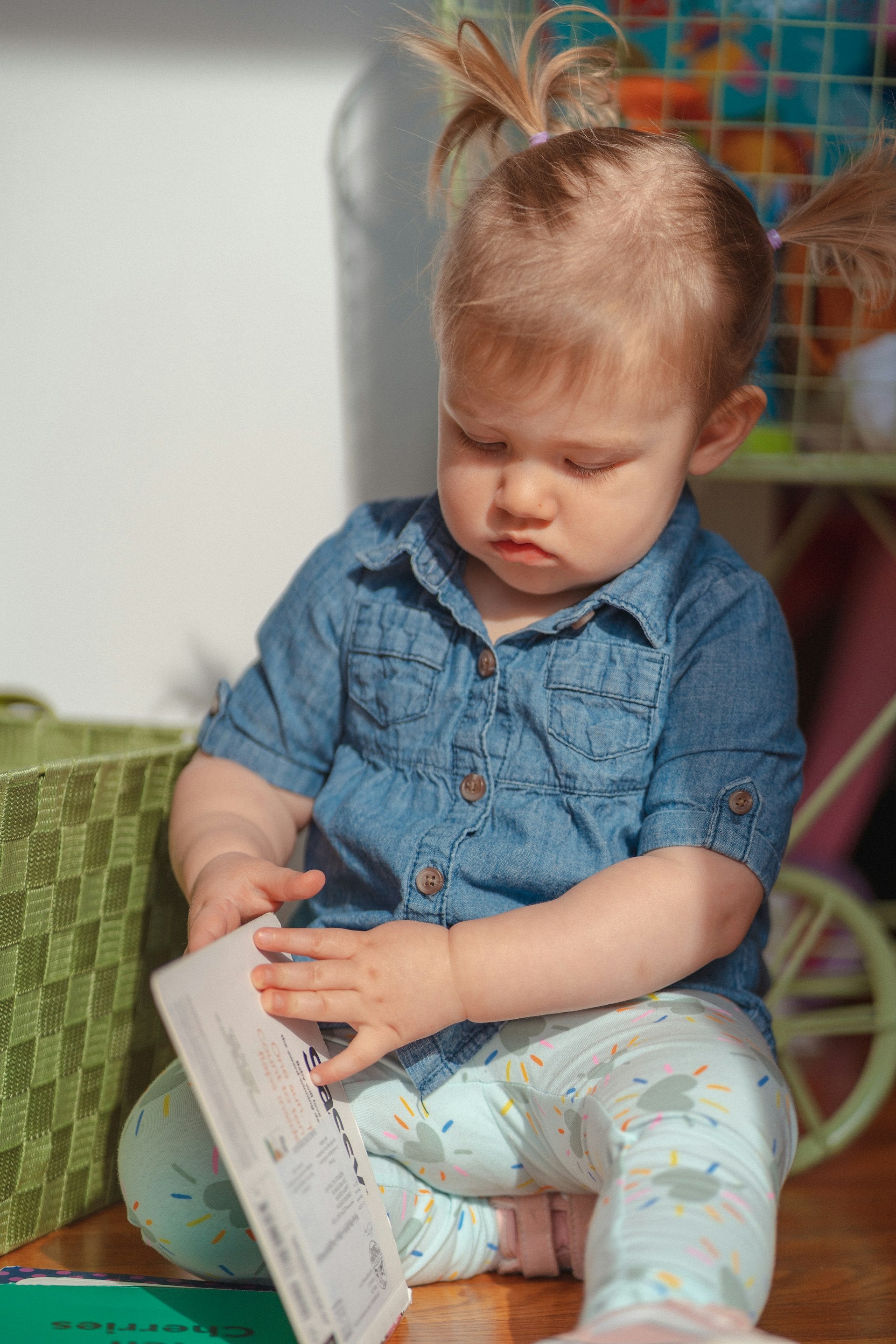
Outdoor environments bring different sounds, smells,
textures, temperatures and movement. Some children enjoy these experiences, while others may find certain sensations uncomfortable or overwhelming.
At Welcome to the Lion’s Den, we take time to understand each child’s sensory preferences and adapt activities wherever possible, recognising that every child experiences the world differently.
Stimming
Stimming includes repetitive movements, sounds or actions, such as rocking, hand movements or humming. It can help children regulate their emotions, manage sensory experiences, express enjoyment or feel comfortable.
We respect safe stimming and recognise that it can serve an important purpose. Where an activity risks injury, we work with the child and their supporters to explore safer alternatives without removing their opportunity to regulate themselves.
Masking
Masking occurs when a person hides or suppresses aspects of their autistic identity, communication or sensory needs to meet other people’s expectations.
We aim to create an environment where children feel comfortable being themselves, expressing their needs, asking for breaks and participating without pressure to behave or communicate in a particular way.
Interoception — Understanding Signals from Inside the Body
Interoception is the ability to notice and interpret internal body signals, such as hunger, thirst, temperature, discomfort or needing the toilet.
For example, a child enjoying den building may become so focused on the activity that they do not notice they are thirsty or becoming too warm.
We can offer regular opportunities for drinks, food, toilet breaks and gentle check-ins rather than assuming every child will recognise or communicate these needs independently.
Proprioception — Understanding Body Position and Movement
Proprioception is our sense of where our body is and how it is moving, supported by information from our muscles and joints.
For example, during shelter building, a child may find it difficult to judge how much force to use when holding a tool, carrying wood or positioning materials.
We can adapt tools, demonstrate movements, provide appropriate support and allow children to practise at their own pace.
Some children also enjoy activities involving pushing, pulling, carrying or other forms of physical effort. Where appropriate, these can be incorporated into safe, supervised outdoor activities.
Every Child Is Different
We never assume that all autistic children experience the same sensory needs or challenges. We listen, observe, involve the child in decisions and make adjustments based on their individual preferences, strengths and experiences.
Our aim is not to change who a child is, but to create an environment where they feel understood, comfortable and able to enjoy the adventure.
Outdoor environments bring different sounds, smells, textures, temperatures and movement. Some children enjoy these experiences, while others may find certain sensations uncomfortable or overwhelming.
At Welcome to the Lion’s Den, we take time to understand each child’s sensory preferences and adapt activities wherever possible, recognising that every child experiences the world differently.
Stimming
Stimming includes repetitive movements, sounds or actions, such as rocking, hand movements or humming. It can help children regulate their emotions, manage sensory experiences, express enjoyment or feel comfortable.
We respect safe stimming and recognise that it can serve an important purpose. Where an activity risks injury, we work with the child and their supporters to explore safer alternatives without removing their opportunity to regulate themselves.
Masking
Masking occurs when a person hides or suppresses aspects of their autistic identity, communication or sensory needs to meet other people’s expectations.
We aim to create an environment where children feel comfortable being themselves, expressing their needs, asking for breaks and participating without pressure to behave or communicate in a particular way.
Interoception — Understanding Signals from Inside the Body
Interoception is the ability to notice and interpret internal body signals, such as hunger, thirst, temperature, discomfort or needing the toilet.
For example, a child enjoying den building may become so focused on the activity that they do not notice they are thirsty or becoming too warm.
We can offer regular opportunities for drinks, food, toilet breaks and gentle check-ins rather than assuming every child will recognise or communicate these needs independently.
Proprioception — Understanding Body Position and Movement
Proprioception is our sense of where our body is and how it is moving, supported by information from our muscles and joints.
For example, during shelter building, a child may find it difficult to judge how much force to use when holding a tool, carrying wood or positioning materials.
We can adapt tools, demonstrate movements, provide appropriate support and allow children to practise at their own pace.
Some children also enjoy activities involving pushing, pulling, carrying or other forms of physical effort. Where appropriate, these can be incorporated into safe, supervised outdoor activities.
Every Child Is Different
We never assume that all autistic children experience the same sensory needs or challenges. We listen, observe, involve the child in decisions and make adjustments based on their individual preferences, strengths and experiences.
Our aim is not to change who a child is, but to create an environment where they feel understood, comfortable and able to enjoy the adventure.

Adapting Activities and Building on Strengths
At Welcome to the Lion’s Den, we recognise that every child is different, with their own strengths, interests, experiences and ways of learning.
Before sessions, we take time to listen to the child and, where appropriate, their parents, carers or supporting professionals. Together, we explore what they enjoy, what they might find challenging and what reasonable adjustments could help them feel comfortable, confident and included.
Depending on the individual and the activity, adjustments may include:
- Clear plans and advance notice of any changes.
- Short, manageable instructions, demonstrations or visual information.
- Additional processing time and opportunities to practise or repeat activities.
- Regular breaks and access to a quieter space where available.
- Smaller groups or one-to-one support, where this has been agreed and arranged in advance.
- Alternative materials, adapted tools or different ways of participating.
Building on Strengths
Rather than focusing only on difficulties, we look at what each child enjoys and what they can already do.
A child might demonstrate creativity when designing a woodland shelter, careful observation when exploring nature, enthusiasm when sharing a particular interest or problem-solving skills when completing a practical challenge.
We use these strengths as opportunities to encourage participation, build confidence and explore new experiences.
Learning, Confidence and Independence
Through practical activities, teamwork and outdoor adventures, we aim to create opportunities for children to develop communication, emotional regulation, confidence and independence.
We recognise that progress looks different for everyone. For one child, achievement might mean joining a group activity. For another, it might mean trying something new, communicating a preference or simply feeling comfortable enough to take part.
We listen to feedback, reflect on what works and adapt our approach as we learn more about each individual.
At Welcome to the Lion’s Den, we don’t expect children to fit into our activities. We aim to adapt our activities so children have the opportunity to participate, feel understood and discover their strengths.